

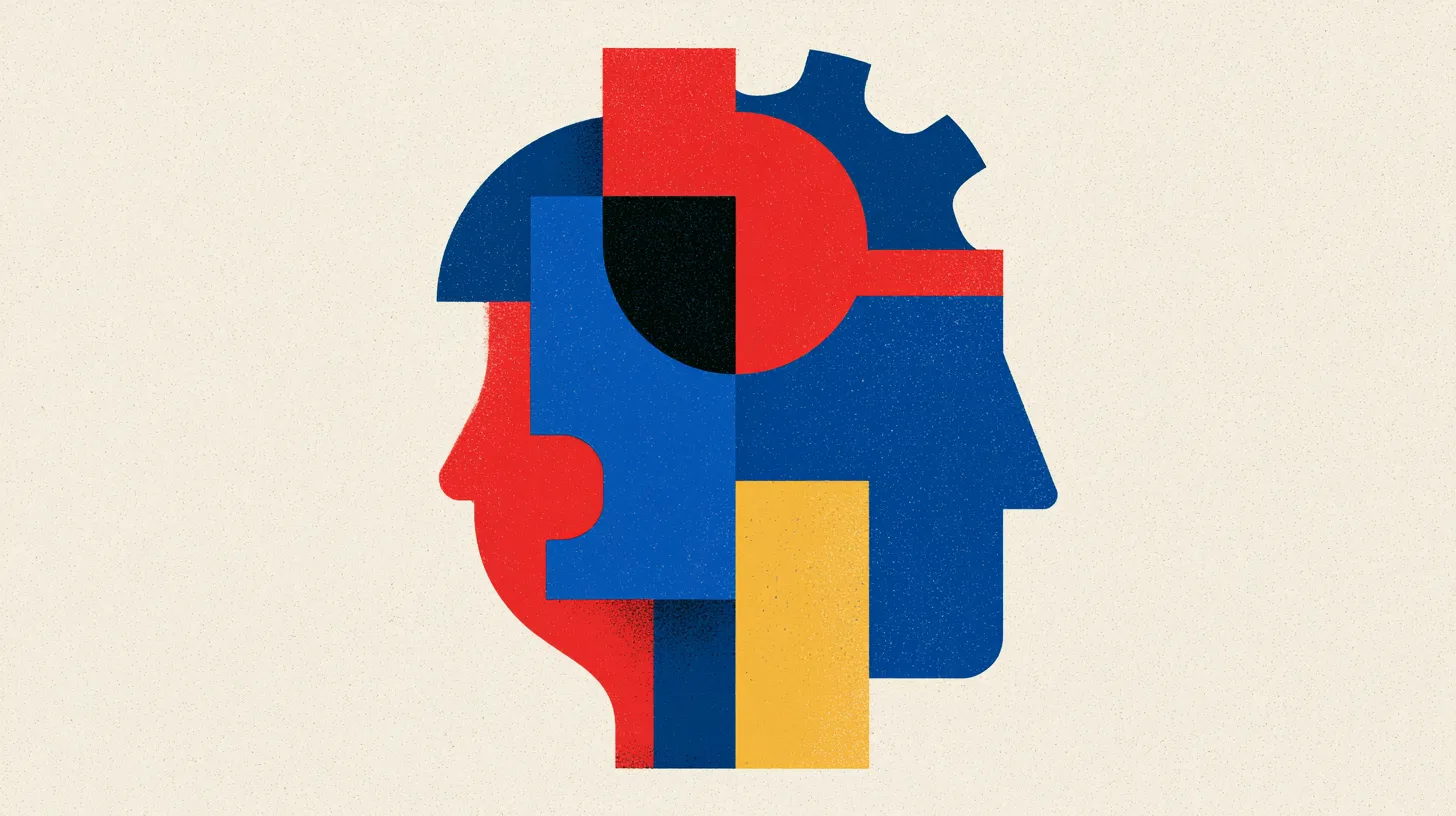
Why Human Capital Is Becoming Every Company's Greatest Competitive Advantage



For years, the business world has treated technology as the ultimate competitive advantage.
The companies with the best software, the fastest systems, the biggest datasets, or the deepest R&D budgets were expected to pull ahead. Today, the conversation has shifted to artificial intelligence, with organizations racing to adopt new models and embed AI into every corner of their business.
But what if we've been looking in the wrong place?
Read across recent research from McKinsey and the World Economic Forum, and a remarkably consistent picture emerges. As AI becomes more capable and more widely available, the greatest differentiator between organizations won't be the technology they deploy. It will be the people who know how to use it.
That's because technology is becoming increasingly accessible.
Human capability isn't.
In The Human Advantage: Stronger Brains in the Age of AI, McKinsey argues that the organizations creating the greatest value in the years ahead will be those that intentionally invest in what it calls brain capital: the combination of cognitive health, adaptability, creativity, critical thinking, and lifelong learning that enables people to solve complex problems and create value alongside AI. Rather than viewing workforce development as an operating expense, McKinsey suggests leaders begin treating it like any other long-term investment that compounds over time.
That idea extends well beyond individual contributors. In Building Leaders in the Age of AI, McKinsey argues that leadership becomes even more important as AI becomes more capable. While AI can summarize information, generate analysis, and automate administrative work, it cannot build trust, inspire teams, navigate uncertainty, or exercise sound judgment. As technology raises the floor of what's possible, leadership raises the ceiling of what organizations can achieve.
The World Economic Forum arrives at a similar conclusion. Successful AI transformation isn't simply about deploying new technology. It requires organizations to redesign work, build AI literacy across the workforce, invest continuously in new skills, strengthen leadership, and establish responsible governance. In other words, AI transformation is as much a people strategy as it is a technology strategy.
Taken together, these reports point to a profound shift in how we think about enterprise value.
For decades, organizations invested heavily in assets they could see and measure: buildings, equipment, software, intellectual property, and increasingly, AI. Yet the asset that determines how effectively every one of those investments performs is often the one receiving the least strategic attention: human capital.
The organizations that outperform over the next decade won't necessarily be those with the largest AI budgets. They'll be the ones that build workforces capable of learning faster, adapting more confidently, exercising better judgment, and creating value in ways technology alone cannot.
At Remotify, this is why we believe investing in people isn't simply an HR initiative. It's one of the most important strategic decisions a business can make. Technology is becoming easier to acquire. Human capital isn't. That's why the organizations investing most intentionally in their people today may ultimately become the ones creating the greatest value tomorrow.
If your organization is thinking about how to build that kind of advantage in the age of AI, it's a conversation worth having. Let's chat.

Much Time
Onboarding?



Say Goodbye to High Costs!
Request Your Free Consultation Today and Save a Massive 70% on Your Workforce!
Related resources

.png)





Tell us about your plans to Remotify

